
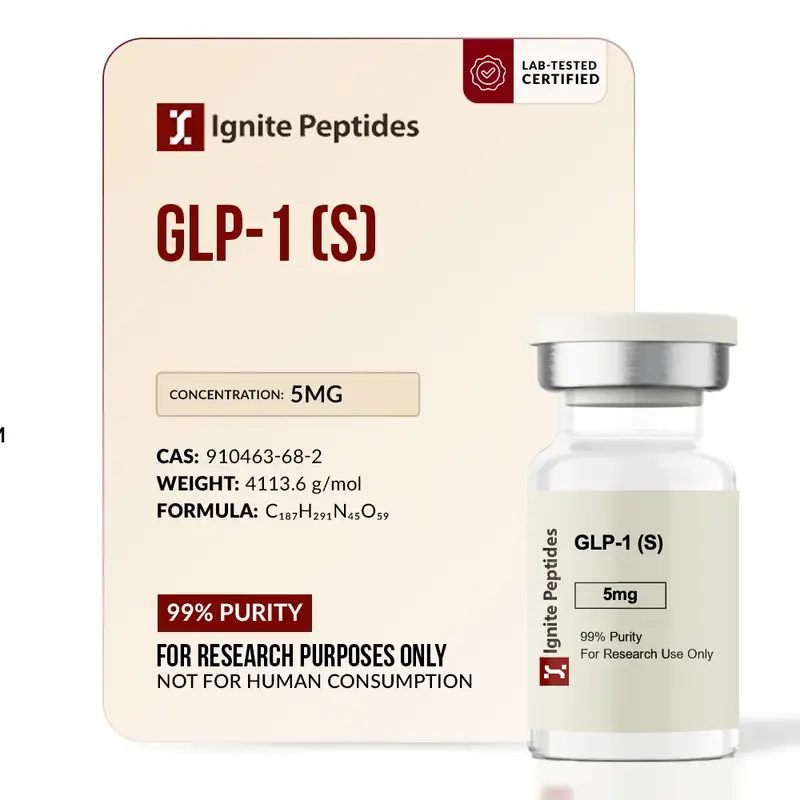
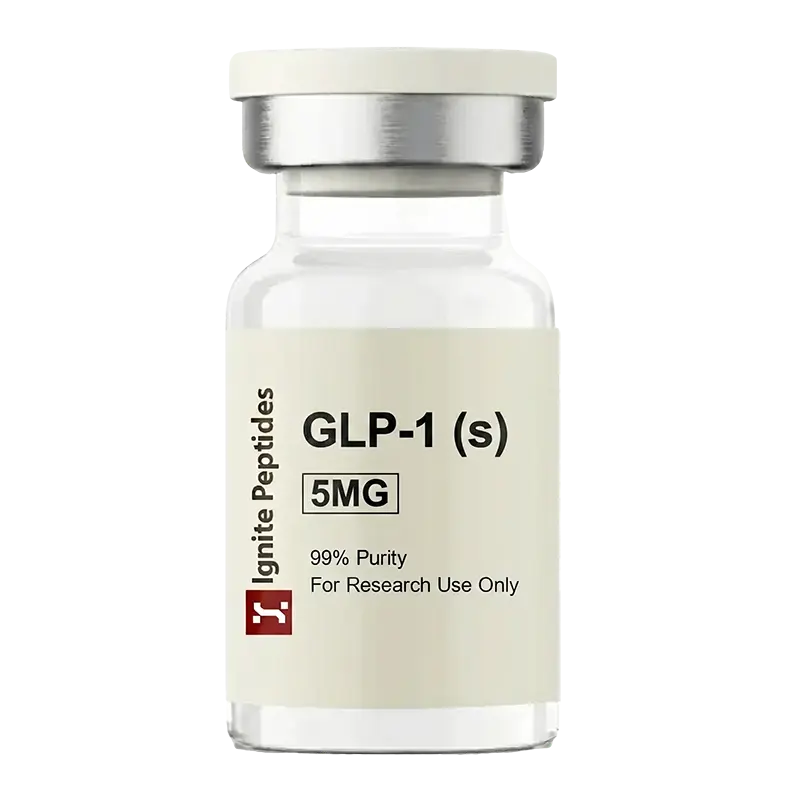
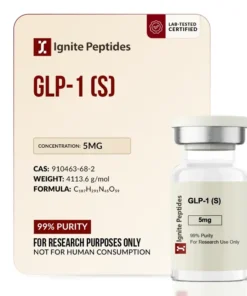
GLP-1 (S) 5mg: Metabolic Research, Glucose Regulation, and Peptide Science
ignitepeptides.store Home provides educational resources focused on peptide research, metabolic science, and wellness-focused compounds. GLP-1 (S) 5mg is a peptide compound studied for its relationship with glucose regulation, metabolic signaling, and endocrine communication pathways. Researchers continue investigating GLP-1-related peptides because they play an important role in understanding how the body regulates blood sugar, nutrient utilization, and energy balance. Therefore, understanding GLP-1 (S) 5mg helps readers explore one of the most researched categories in metabolic peptide science.
What Is GLP-1 (S) 5mg?
GLP-1 stands for glucagon-like peptide-1, a naturally occurring hormone involved in metabolic signaling. Scientists study GLP-1-related compounds because they influence pathways associated with glucose regulation and endocrine communication.
The direct answer is:
GLP-1 (S) 5mg is a metabolic research peptide studied for its role in glucose regulation, endocrine signaling, and metabolic function.
Because GLP-1 pathways influence several biological systems, this category remains a major focus in modern metabolic research.
How Does GLP-1 (S) Work?
GLP-1 peptides participate in signaling pathways that help coordinate glucose metabolism and endocrine responses. Researchers continue evaluating how these pathways affect nutrient processing and metabolic balance.
Scientific discussions frequently involve:
- glucose regulation
- metabolic signaling
- endocrine communication
- nutrient utilization
- energy balance
- peptide receptor activity
Consequently, GLP-1-related compounds continue attracting significant scientific interest.
Why Is GLP-1 (S) Different from Other Peptides?
Many peptides focus on growth hormone release, tissue support, or neurological pathways.
GLP-1 peptides primarily focus on metabolic communication.
GLP-1 (S) vs Growth Hormone Peptides
Growth hormone peptides such as CJC-1295 and Ipamorelin influence endocrine pathways associated with growth hormone signaling.
GLP-1 compounds influence metabolic signaling pathways instead.
GLP-1 (S) vs Recovery Peptides
Recovery peptides such as BPC-157 and TB-500 are associated with tissue-support research.
GLP-1 compounds focus on metabolic and endocrine communication.
GLP-1 (S) vs Mitochondrial Peptides
MOTS-c influences mitochondrial communication and cellular energy pathways.
GLP-1 compounds focus on metabolic signaling and glucose-related research.
Potential Research Areas for GLP-1 (S) 5mg
Researchers frequently explore GLP-1-related compounds in relation to:
Glucose Regulation Research
Scientists study how peptide signaling influences glucose metabolism.
Metabolic Science
Metabolic pathways remain one of the most active areas of peptide research.
Endocrine Function
GLP-1 compounds help researchers understand hormone-related communication systems.
Nutrient Processing Studies
Researchers continue investigating how peptide signaling influences nutrient utilization.
Healthy Metabolic Function
Scientific discussions frequently focus on metabolic balance and physiological regulation.
Why Metabolic Peptide Research Matters
Metabolic peptides help researchers better understand how biological systems regulate energy, glucose utilization, and nutrient processing. Therefore, compounds within the GLP-1 category continue receiving significant attention across scientific disciplines.
Readers interested in related compounds can explore ignitepeptides.store Metabolic Peptides Collection and ignitepeptides.store Educational Resources for additional peptide information.
Why Research Grade Quality Matters
Purity, manufacturing standards, and proper storage practices contribute significantly to research consistency. Therefore, researchers often prioritize suppliers that maintain transparent quality-control procedures.
For additional educational content and peptide resources, visit ignitepeptides.store Research Center.
Scientific and Educational Resources
High-authority references:
These resources provide valuable information regarding metabolic science, glucose regulation, and endocrine research.
Frequently Asked Questions
What is GLP-1 (S) 5mg?
GLP-1 (S) 5mg is a metabolic research peptide studied for glucose regulation and endocrine signaling pathways.
What does GLP-1 stand for?
GLP-1 stands for glucagon-like peptide-1, a naturally occurring metabolic hormone.
Why do researchers study GLP-1 peptides?
Researchers investigate GLP-1 pathways because they help regulate glucose metabolism and endocrine communication.
Is GLP-1 a growth hormone peptide?
No. GLP-1 compounds belong to the metabolic peptide category rather than the growth hormone peptide category.
Why is GLP-1 important in metabolic science?
GLP-1 signaling helps researchers understand how the body manages glucose utilization and metabolic regulation.

Reviews
There are no reviews yet.