
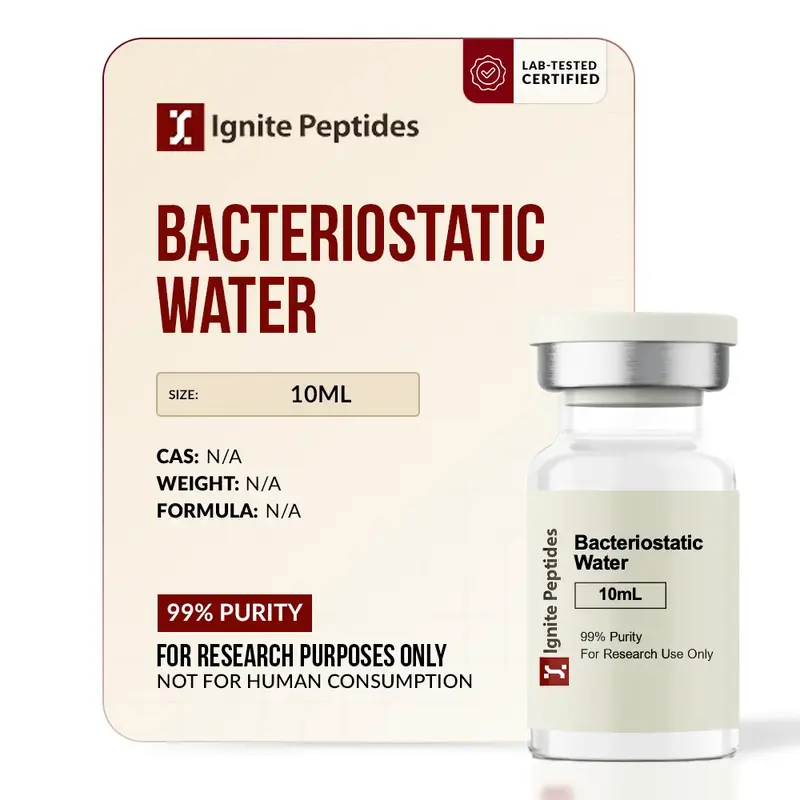
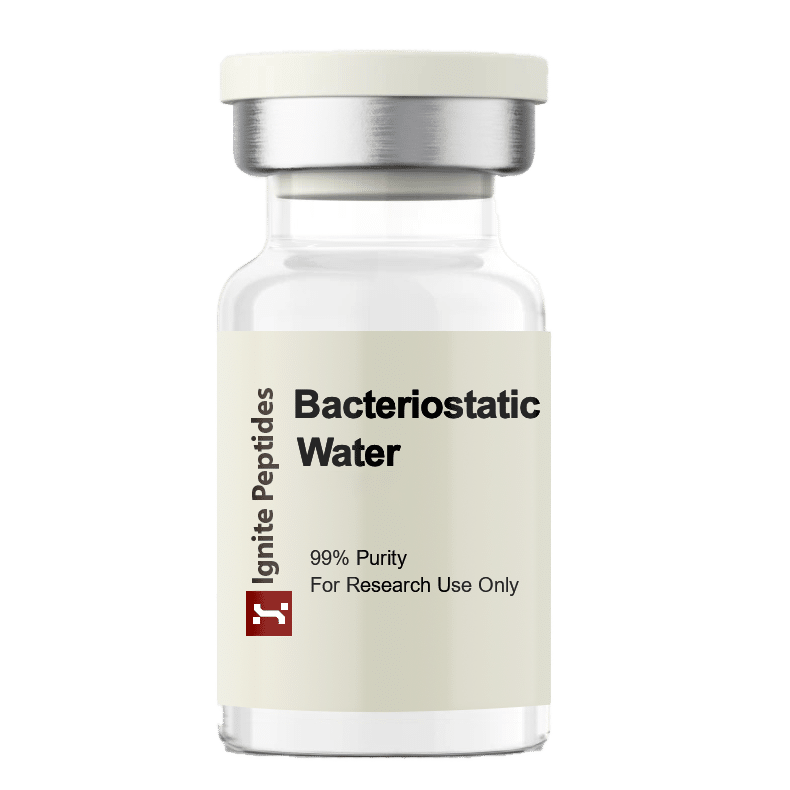
Reconstitution Solution 10mL: Educational Guide for Peptide Research
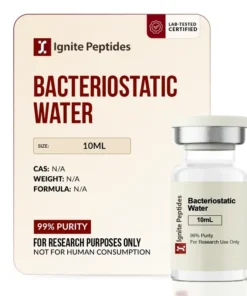
Reconstitution Solution 10mL is commonly used in research environments to prepare lyophilized peptide products for laboratory use. Researchers utilize reconstitution solutions to help dissolve research materials according to established laboratory procedures and study requirements.
What Is Reconstitution Solution 10mL?
Reconstitution Solution 10mL is a laboratory preparation solution frequently referenced in peptide research. Researchers often use reconstitution solutions when preparing freeze-dried research compounds before laboratory analysis.
For additional peptide education, visit Research Peptides Collection.
As peptide research continues to expand, proper preparation methods remain an important topic within scientific and educational discussions. Therefore, understanding reconstitution basics can help researchers maintain consistency in laboratory settings.
Why Is Reconstitution Important in Peptide Research?
Supports Research Preparation
Reconstitution Solution 10mL helps researchers prepare certain laboratory materials before investigation. Consequently, standardized preparation practices contribute to more consistent research workflows.
Commonly Referenced in Peptide Studies
Researchers frequently discuss reconstitution procedures because many peptide products are supplied in lyophilized form. Therefore, educational resources often explain preparation concepts alongside peptide information.
Helps Maintain Research Consistency
Laboratory protocols often emphasize consistent preparation techniques. As a result, reconstitution solutions remain a common topic in scientific research environments.
Understanding Peptide Preparation
Reconstitution Solution 10mL is often mentioned alongside peptide research because preparation represents an important step before laboratory evaluation. Researchers typically follow established procedures based on study requirements, laboratory standards, and research objectives.
In addition, educational awareness helps researchers understand the terminology associated with peptide handling and preparation.
Explore additional resources through the Peptide Research Products section.
Research Applications and Educational Interest
Researchers continue to investigate peptides across numerous scientific fields. Consequently, preparation methods and laboratory handling practices receive significant attention within educational materials.
Furthermore, understanding laboratory terminology helps researchers navigate scientific literature more effectively. Therefore, educational guides remain valuable for both experienced researchers and individuals new to peptide science.
Additional educational information is available in the Peptide Education Center.
Best Practices for Educational Awareness
Review Laboratory Documentation
Researchers commonly review preparation instructions before beginning laboratory procedures.
Follow Research Protocols
Scientific studies often rely on standardized preparation methods to support consistency and reproducibility.
Consult Scientific Literature
Peer-reviewed publications frequently provide insights into laboratory practices, peptide handling, and research methodologies.
Trusted Scientific Resources
Researchers often consult the following educational resources:
- National Institutes of Health (NIH): https://www.nih.gov
- PubMed: https://pubmed.ncbi.nlm.nih.gov
- MedlinePlus: https://medlineplus.gov
These resources provide access to scientific publications and educational information related to biomedical research.
Frequently Asked Questions
What is Reconstitution Solution 10mL?
Reconstitution Solution 10mL is a laboratory preparation solution commonly referenced in peptide research and educational discussions.
Why is reconstitution used in peptide research?
Researchers often prepare lyophilized materials before laboratory evaluation, making reconstitution an important research topic.
Is Reconstitution Solution 10mL only used for peptides?
Research preparation solutions may be used in various laboratory settings depending on the specific materials and study objectives.
Where can I learn more about peptide research?
Educational information is available through scientific organizations, peer-reviewed publications, and peptide research resources.
Why is preparation important in laboratory studies?
Consistent preparation methods can help support standardized research workflows and laboratory procedures.
Conclusion
Reconstitution Solution 10mL remains an important educational topic within peptide research. Understanding preparation concepts, laboratory terminology, and scientific resources can help researchers stay informed while exploring the evolving field of peptide science.
Reviews
There are no reviews yet.